Overview

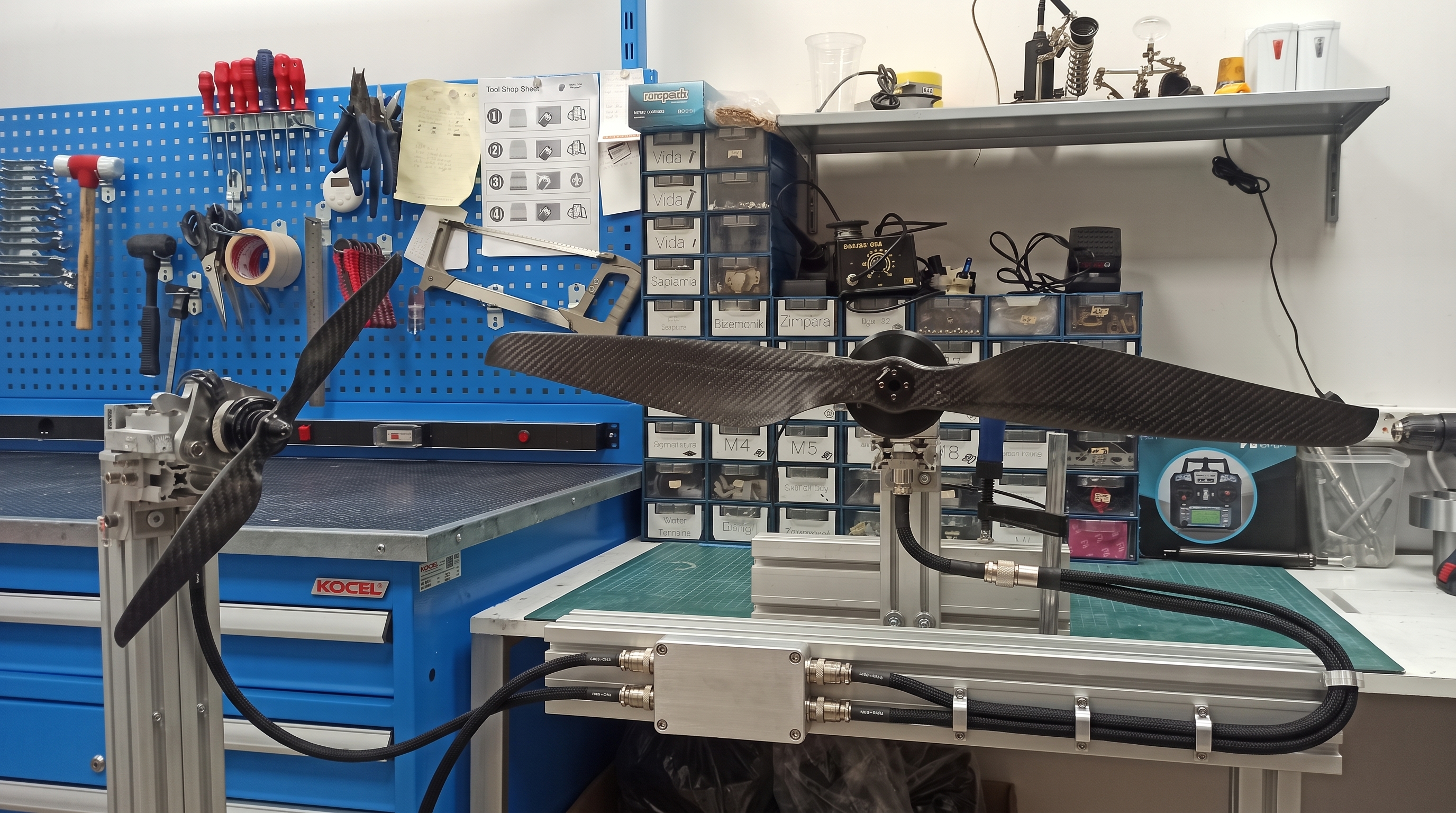
A propeller has to match its motor's torque and RPM curve, not just its shaft size.

Motor curves, RPM windows, torque behavior, and packaging constraints all affect the right composite solution. We work from those realities, not assumptions.

Contact Us
Motor & Engine Makers

Propellers developed together with the drive system

Propeller performance cannot be defined by diameter and pitch alone. Motor power, torque curve, operating speed, reduction ratio, and target load condition must all be evaluated together. Tulkas develops propeller geometry within the real operating characteristics of the drive system.

Motor & Engine Makers

Composite components matched to machine interfaces

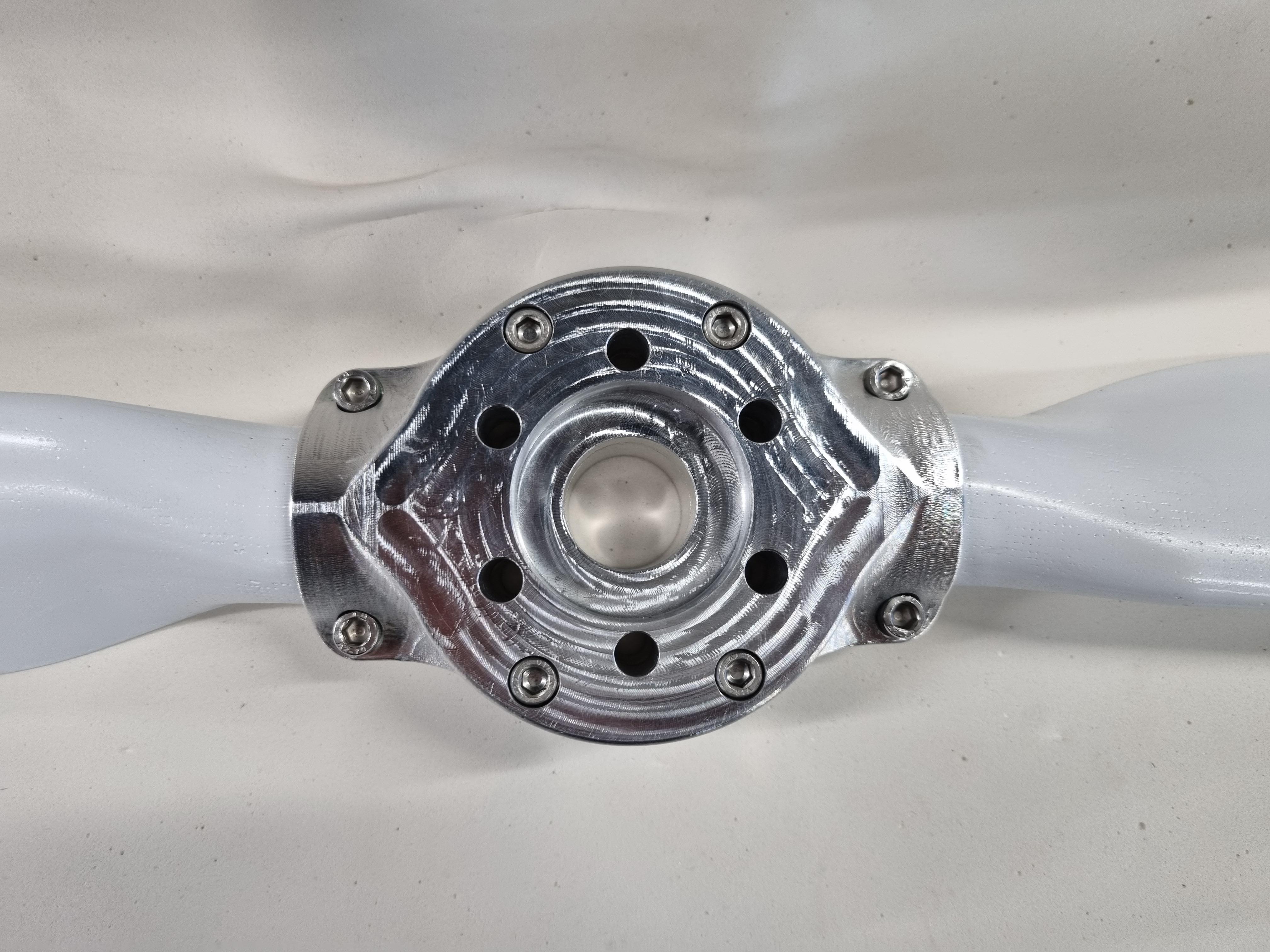
Integrating a composite part into an existing machine system needs to be evaluated separately in terms of connection geometry, tolerance, load transfer, and assembly method. During design, we take into account not just the composite part itself, but also the interface it forms with the metal or mechanical system it connects to.

Overview

Motor curves, RPM windows, torque behavior, and packaging constraints all affect the right composite solution. We work from those realities, not assumptions.

Composite Propellers

A propeller has to match its motor's torque and RPM curve, not just its shaft size.

A propeller or structural part designed against one motor's curve doesn't automatically transfer to another; geometry is matched to your specific torque and RPM data rather than a generic catalog shape.

Design & Engineering
Highlights

Highlights

A propeller has to match its motor's torque and RPM curve, not just its shaft size Hub and interface tolerance has to stay consistent across the whole production run, not just the first sample

Approach

Approach

Motor curves, RPM windows, torque behavior, and packaging constraints all affect the right composite solution. We work from those realities, not assumptions.

Questions?

Here are some answers.

View all questions

Yes. Motor, battery, mission profile, and target thrust/RPM data are collected first, and geometry is developed from that rather than a standard chart.

Yes. The scope of the program changes the tooling and volume plan, not whether we take it on.