Overview

Part geometry refinement

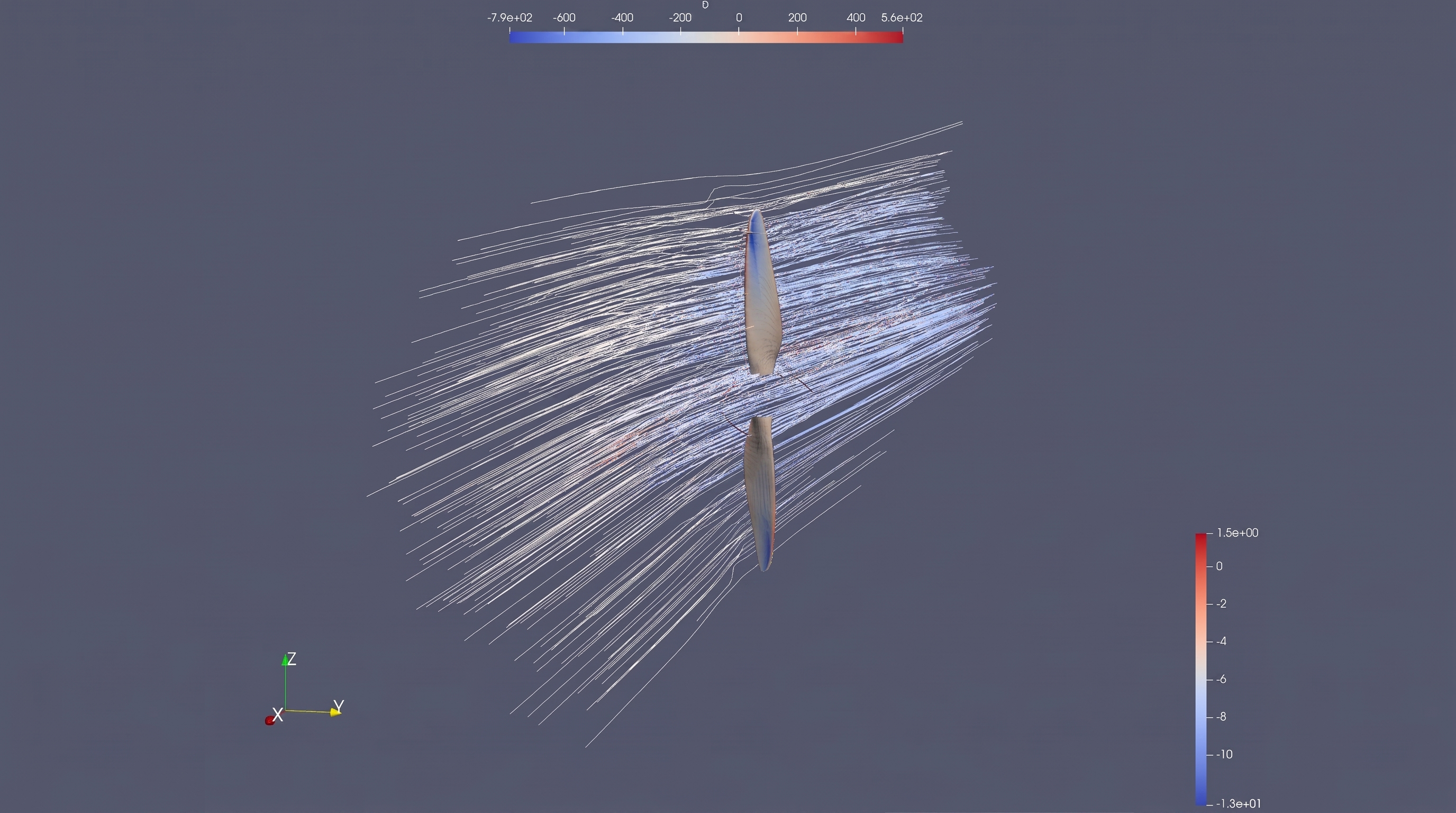
A composite part cannot be engineered as if production comes later. The right design path includes interfaces, laminate strategy, tooling logic, and verification expectations from the start. For flow-critical geometries such as propellers, in-house design software and OpenFOAM-based flow analysis support the evaluation before a shape is locked in.

Plan a Meeting
Design & Engineering

Design for manufacturability

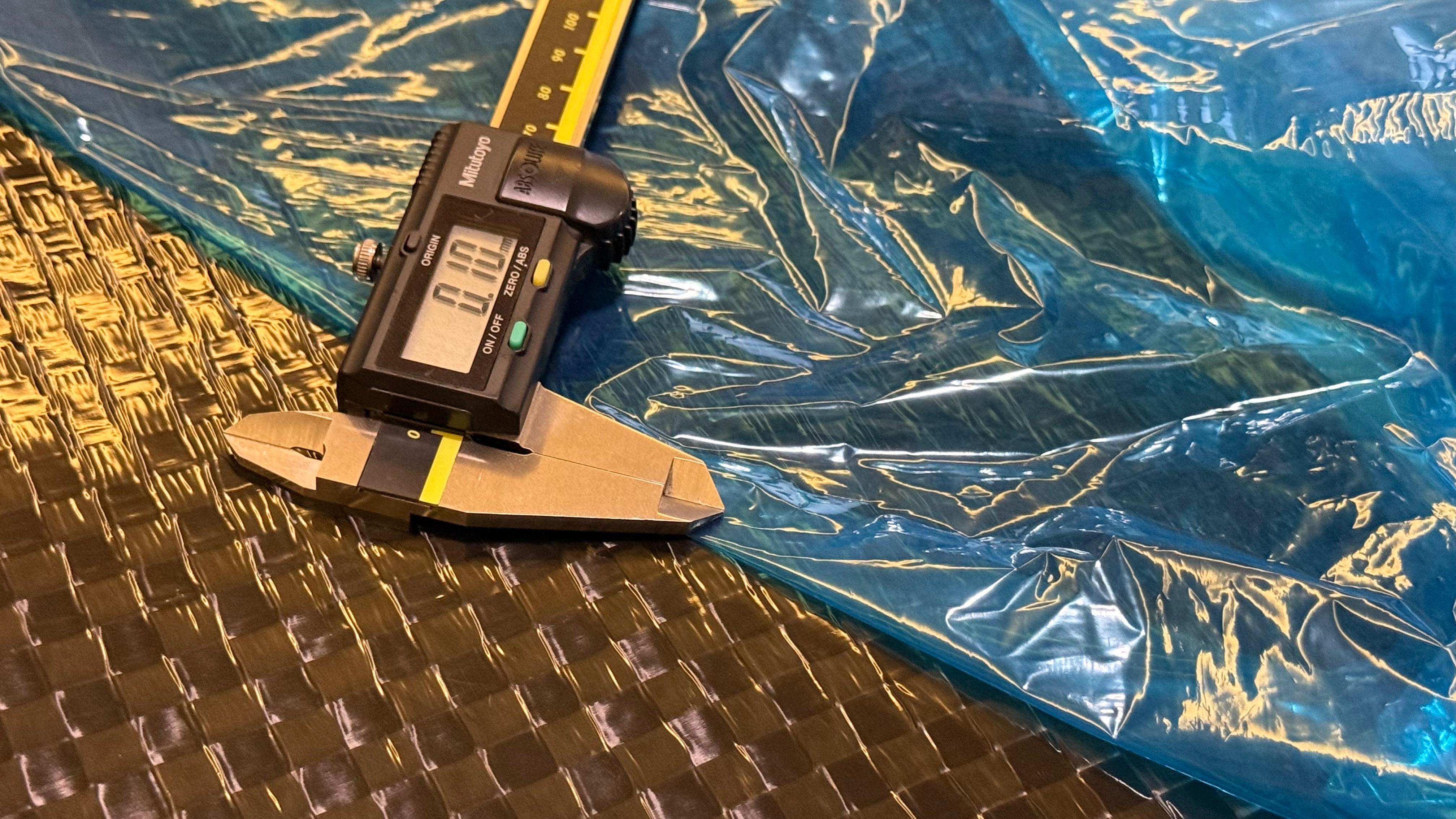
The fact that a composite geometry can technically be drawn does not mean it is suitable for production. Draft directions, joint areas, local thicknesses, fiber placement, and production access are evaluated early in the design phase. This way, problems that would otherwise need to be solved during production are addressed, wherever possible, before the geometry is finalized.

Plan a Meeting

Design & Engineering

Analysis-driven geometry development

For parts where performance depends directly on geometry, design decisions based on intuition or existing geometries alone may not be sufficient. Where a project calls for it, Tulkas incorporates calculations and numerical analysis into the design process to support the comparison of different geometries. The geometry to be produced is then developed by evaluating performance targets and production constraints together.

Plan a Meeting

Overview

A composite part cannot be engineered as if production comes later. The right design path includes interfaces, laminate strategy, tooling logic, and verification expectations from the start. For flow-critical geometries such as propellers, in-house design software and OpenFOAM-based flow analysis support the evaluation before a shape is locked in.

Composite Propellers

Part geometry refinement

Interface and load-path review

UAV Airframe Components
Highlights

Highlights

Part geometry refinement Interface and load-path review

Approach

Approach

A composite part cannot be engineered as if production comes later. The right design path includes interfaces, laminate strategy, tooling logic, and verification expectations from the start. For flow-critical geometries such as propellers, in-house design software and OpenFOAM-based flow analysis support the evaluation before a shape is locked in.

Questions?

Here are some answers.

View all questions

Both, where relevant. OpenFOAM-based flow analysis and in-house propeller design software support propeller and flow-critical geometry work; structural evaluation is scoped to what the part actually needs.

Both. We support early-stage geometry definition as well as manufacturability review and refinement of an existing design; the entry point depends on where the project actually is.

During design. Interfaces, laminate strategy, and tooling logic are reviewed together from the start, not handed off as a separate step once geometry is frozen.