Overview

Propeller development programs

Some projects can be described openly, others only in anonymized form. What matters is showing the engineering pattern, the production logic, and the execution discipline behind the outcome. Where a project is customer work, no customer name, project name, or confidential geometry is shown; where a result is a Tulkas in-house R&D benchmark rather than a customer deliverable, it is labeled as such.

Plan a Meeting
Reference Projects

Composite product development work

Reference projects represent not just the resulting part, but the development approach used to arrive at it. Design revisions, tooling strategies, process selection, and validation work make up the technical story of the project within a shareable scope. In this way, references are presented not simply as examples of outcomes, but as case studies that explain Tulkas's approach to problem-solving and production.

Plan a Meeting

Reference Projects

Production know-how adapted across applications

The production know-how gained across composite technologies is not limited to a single product group. From carbon fiber propellers to different geometries such as plates, profiles, and tubes, every application raises different requirements in terms of molding, lamination, curing, and manufacturability. Reference projects aim to show how this shared production knowledge is adapted to different products and application conditions.

Plan a Meeting

Overview

Some projects can be described openly, others only in anonymized form. What matters is showing the engineering pattern, the production logic, and the execution discipline behind the outcome. Where a project is customer work, no customer name, project name, or confidential geometry is shown; where a result is a Tulkas in-house R&D benchmark rather than a customer deliverable, it is labeled as such.

Composite Propellers

Propeller development programs

UAV structural subcomponents

Defense Composite Parts
Highlights

Highlights

Propeller development programs UAV structural subcomponents

Approach

Approach

Some projects can be described openly, others only in anonymized form. What matters is showing the engineering pattern, the production logic, and the execution discipline behind the outcome. Where a project is customer work, no customer name, project name, or confidential geometry is shown; where a result is a Tulkas in-house R&D benchmark rather than a customer deliverable, it is labeled as such.

Questions?

Here are some answers.

View all questions

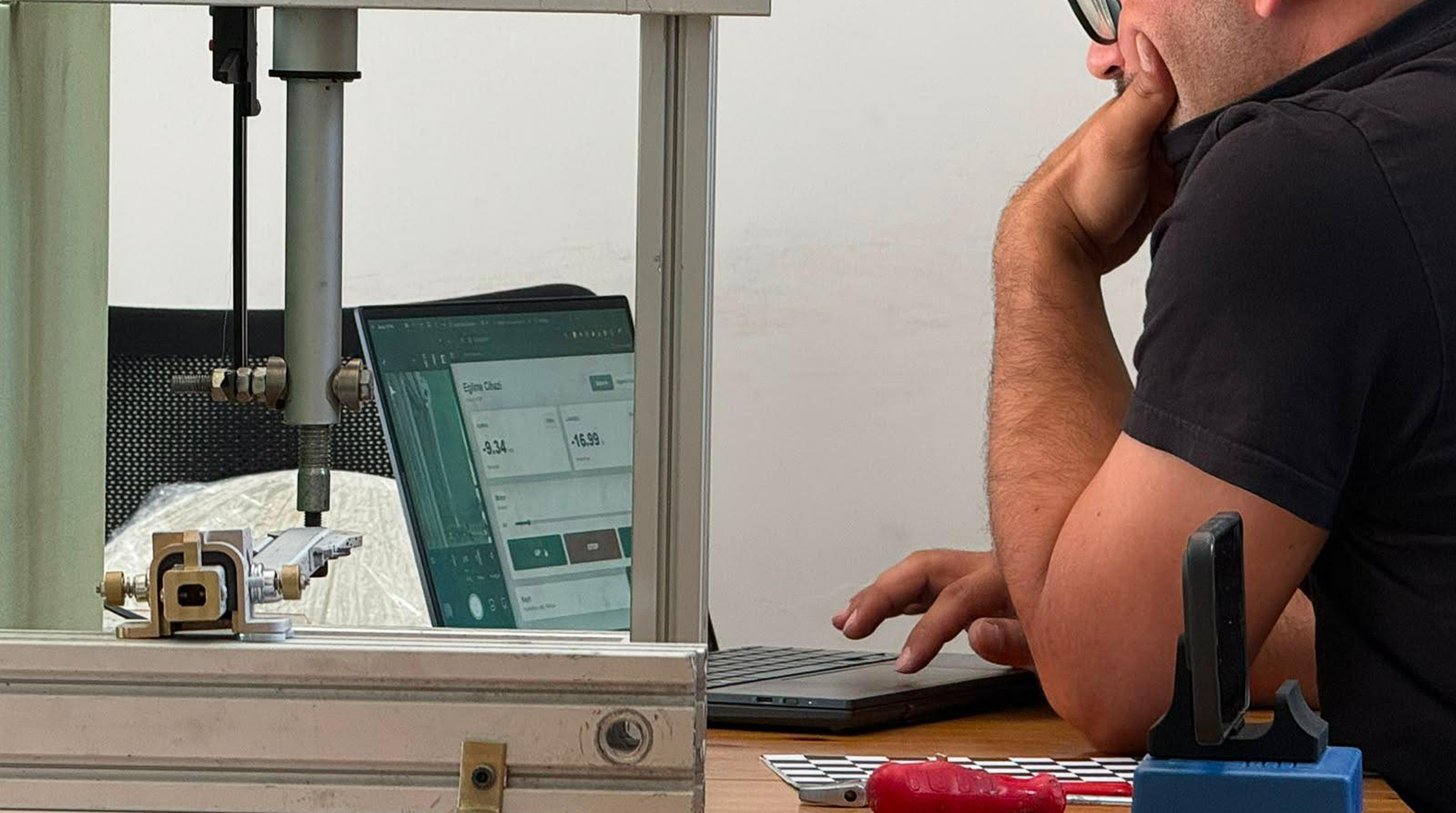
One example is an in-house R&D benchmark, not a customer project: Tulkas modeled the geometry of a commercially available APC 13x8 propeller as an internal reference point and developed a carbon fiber 13x8 propeller with a more efficient blade profile. In in-house static thrust test conditions, the redesigned propeller showed an approximate 6% efficiency gain over the reference geometry. This was a comparative in-house engineering study, not a supply or collaboration relationship with the reference brand, and the figure is specific to that one benchmark rather than a general performance claim.

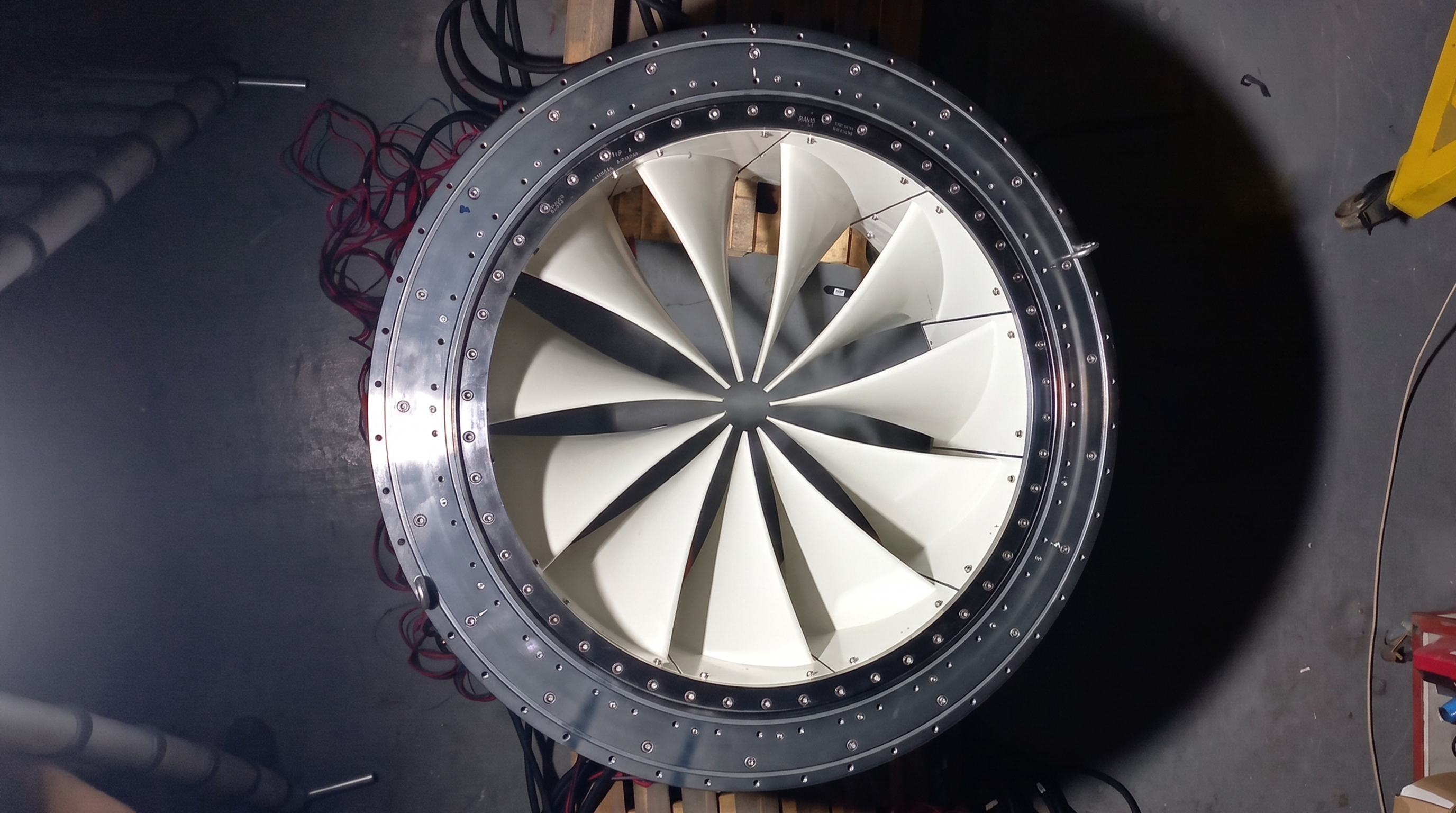
In anonymized form: for a fan-manufacturing customer, Tulkas developed a composite fan blade production process and has since remained that customer's production partner for the part. The customer name and part-specific figures are withheld; the pattern shown is a prototype-to-serial-production process handed off as a controlled, repeatable manufacturing method rather than a one-off delivery.

Customer and project names are only published with explicit written approval or from a verifiable public source. Where that approval doesn't exist, we describe the engineering pattern instead of the client.