Solutions

We do not just manufacture composite parts. We develop them around the platform requirement.

Tulkas is an engineering-driven composite solution partner that translates technical requirements into part geometry, material selection, production method, and quality-control planning.

Request a Technical Review
Solutions

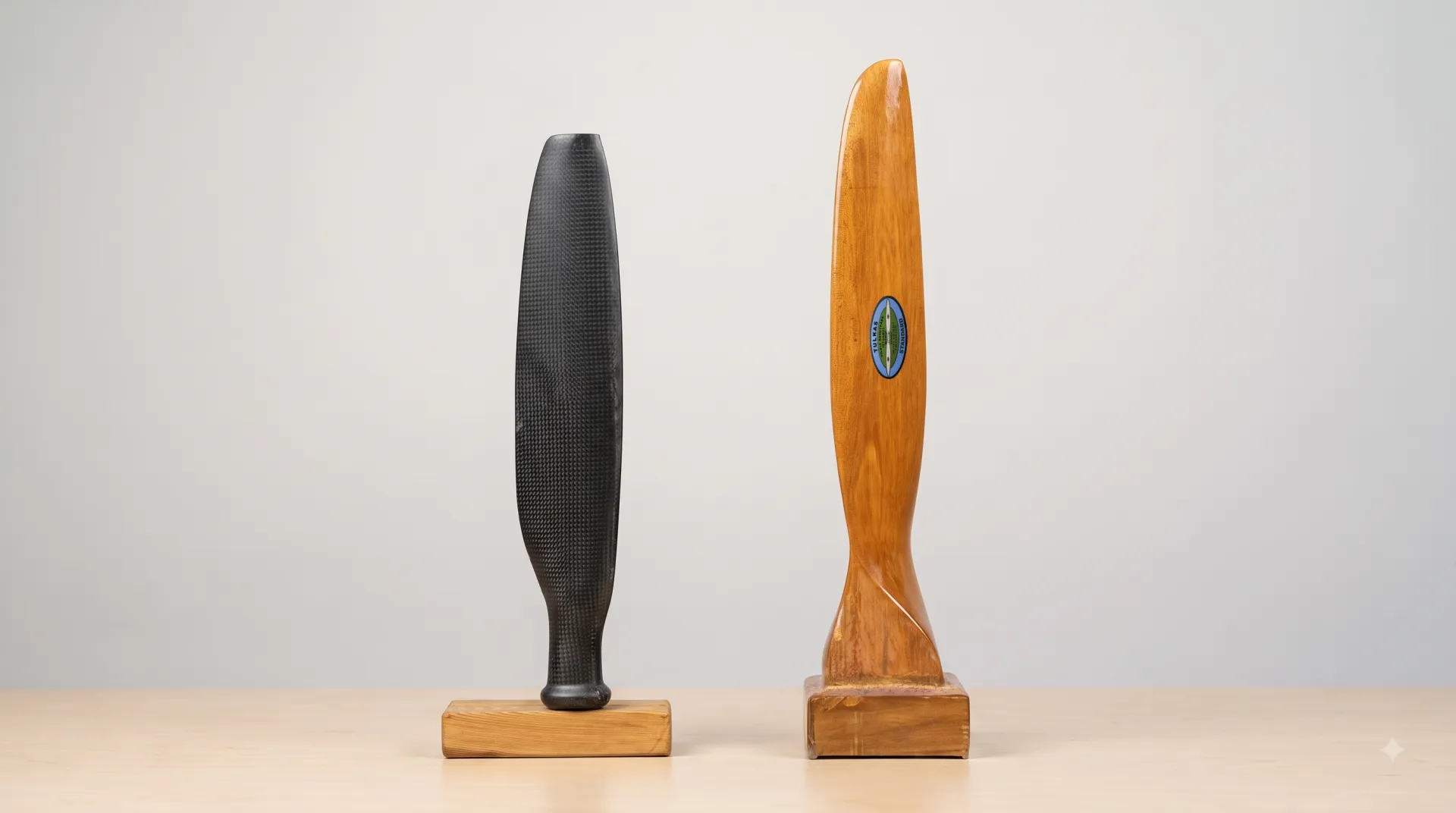
Propeller solutions: composite and wood propeller design and production for UAV and special platforms.

For that reason, every project starts with the same discipline: define function, define loads, define the operating environment, and only then lock geometry, materials, tooling, and process.

Composite Manufacturing

Solutions

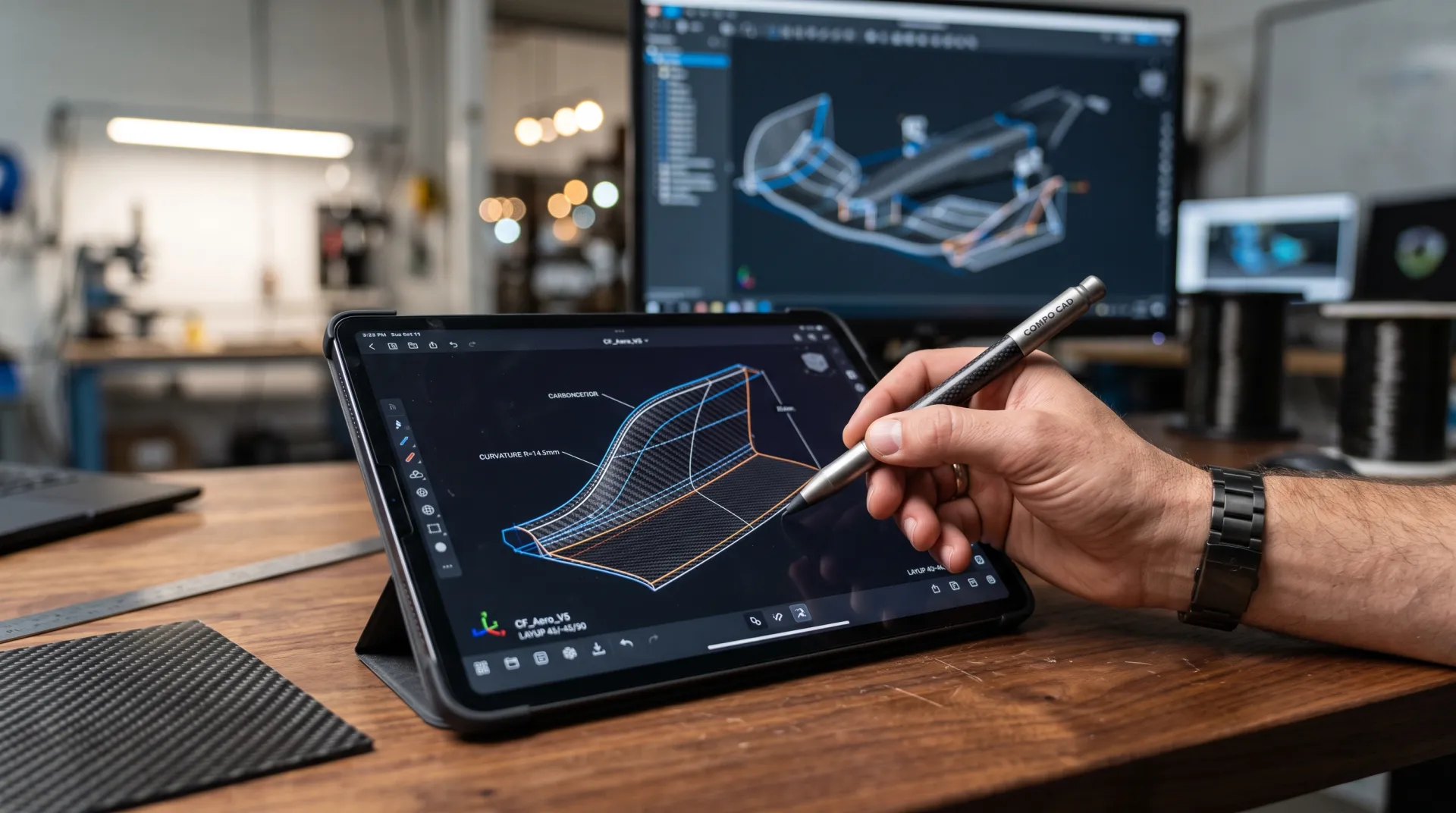
Design & Engineering

If the geometry is not fully defined yet, let us start from design.

Reference Projects

Overview

Tulkas approaches each program by understanding the platform requirement rather than pushing a standard catalog product. In a UAV propeller program, the priority may be efficiency and vibration. In a structural body component, low mass and repeatable production may dominate. In a marine component, fatigue, impact resistance, and environmental suitability may matter most.

Composite Manufacturing

Propeller solutions: composite and wood propeller design and production for UAV and special platforms.

For that reason, every project starts with the same discipline: define function, define loads, define the operating environment, and only then lock geometry, materials, tooling, and process.

Design & Engineering
Highlights

Highlights

Defense applications: controlled processes for parts requiring confidentiality and traceability • Marine applications: weight and strength focus for hydrofoils, wings, hatches, and subsea components • Tooling and molds: design the part-mold relationship together for repeatable production

Process

Process

What is the function of the part? • Which loads, speed, temperature, vibration, or environmental conditions will it see? • Is the need a prototype, low-volume batch, or serial-production preparation?

Questions?

Here are some answers.

View all questions

No. In high-temperature zones, on very low-volume prototypes revised frequently, or on structures that need field welding repairs, aluminum or steel can still be the better fit. The right material decision is made together, based on the mission profile.

Function, loads, and operating environment are defined first; geometry, material, and process are locked only after that, not before.

No. A defined function and load case is enough to start; geometry can be developed from zero or refined from an existing concept.