Overview

Weight control: design approach that removes unnecessary mass while protecting mission payload.

Tulkas provides design and production support for UAV projects, including body covers, load-bearing panels, internal structural supports, motor/propeller mounting-area parts, and custom composite sub-components.

Request a Technical Review
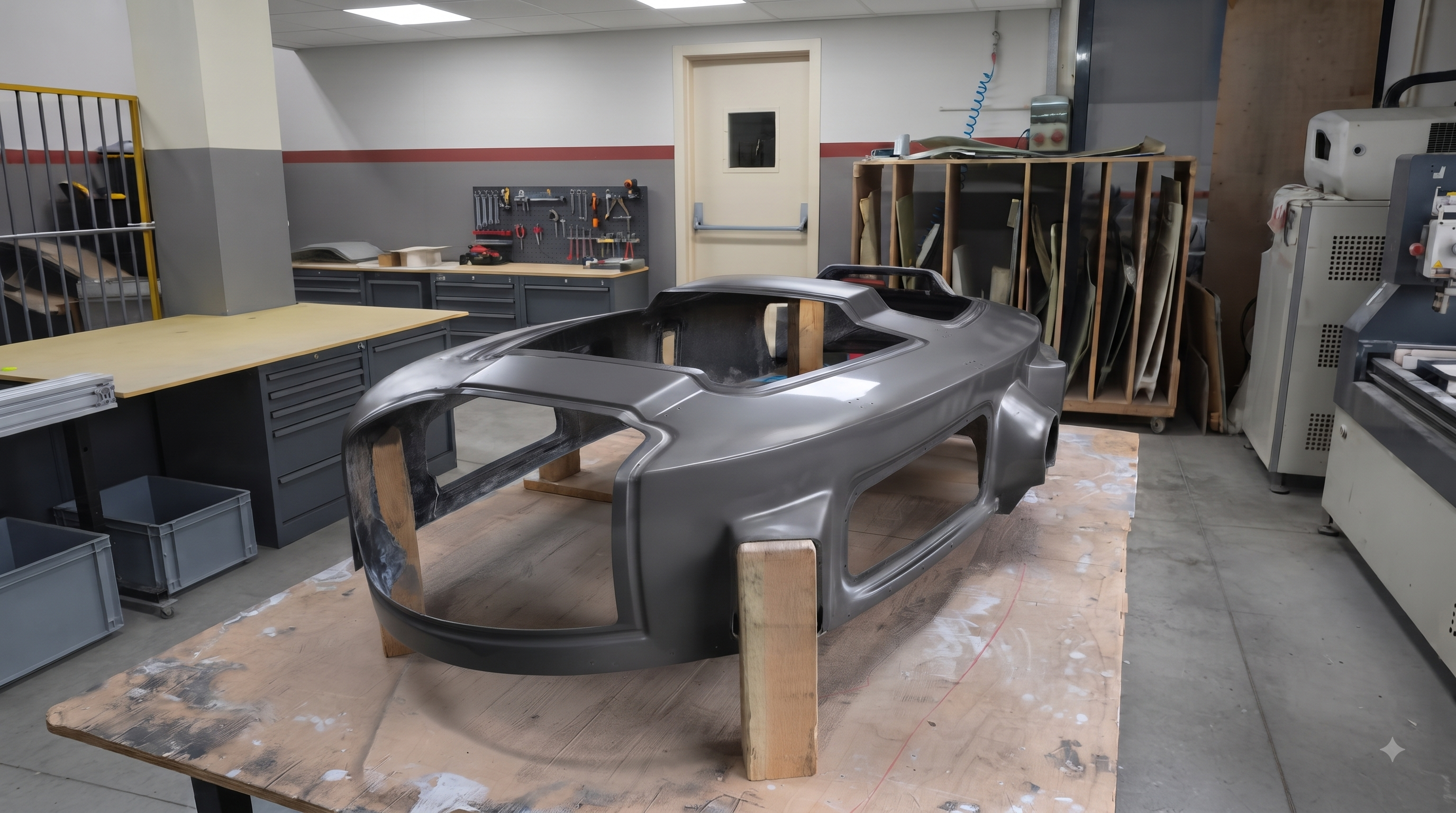
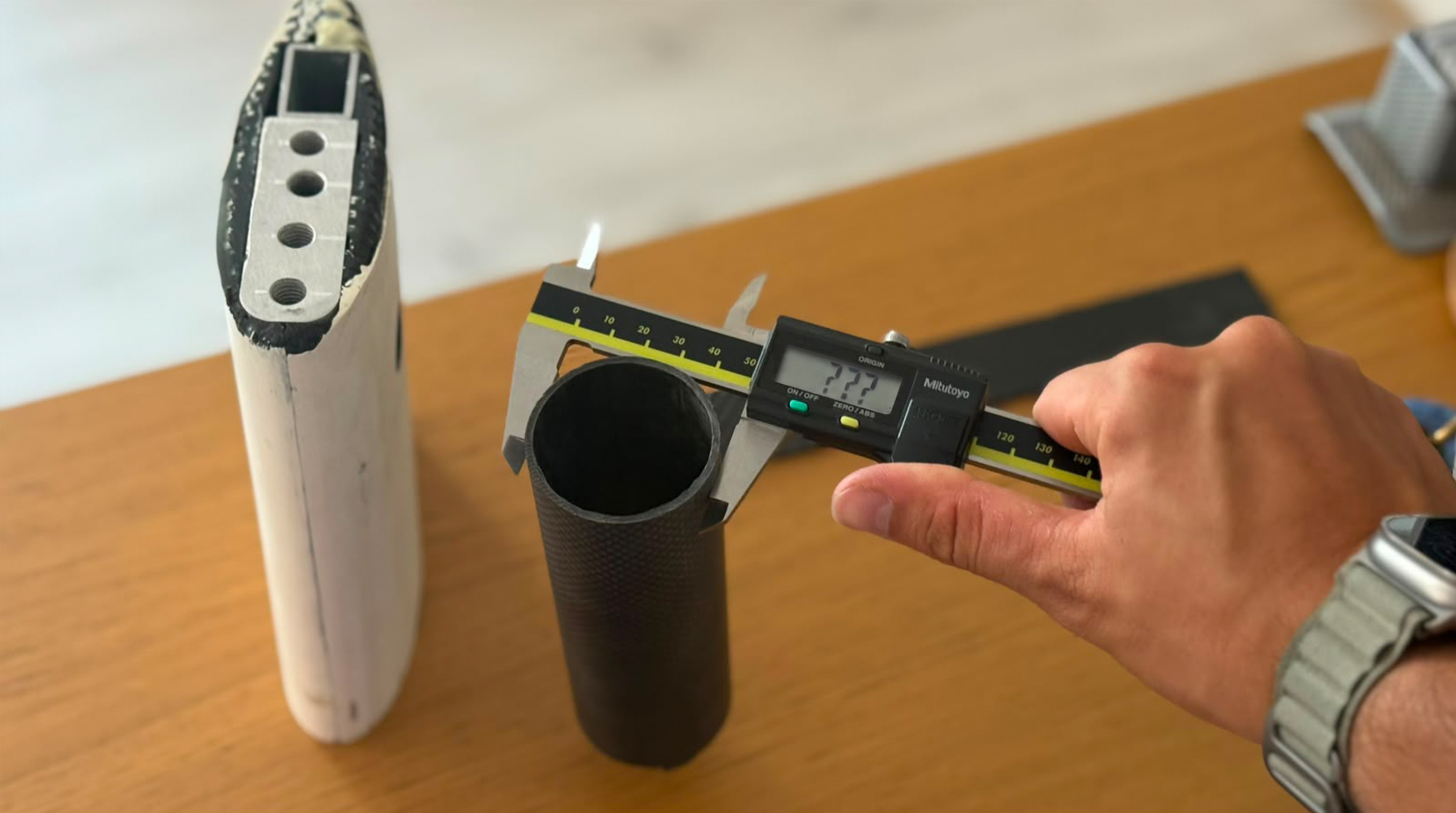
UAV Airframe Components

Body covers and access panels

In UAV airframe components, every gram affects flight endurance and payload capacity. But weight reduction alone is not enough - the part's stiffness, connection points, vibration behavior, maintenance access, production repeatability, and assembly tolerances must all be considered together.

UAV Airframe Components

Design & Engineering

If your body geometry is not frozen yet.

UAV & Aerospace

Part Examples

In UAV body components, every gram affects flight time and payload capacity. But low weight alone is not enough. Stiffness, interface points, vibration behavior, maintenance access, manufacturing repeatability, and assembly tolerances must be evaluated together.

Composite Manufacturing

Weight control: design approach that removes unnecessary mass while protecting mission payload.

Tulkas supports UAV programs with body covers, load-carrying panels, internal structural supports, motor and propeller interface parts, and special composite subcomponents.

Design & Engineering
Part Examples

Part Examples

Body covers and access panels Composite parts around wing-body interfaces Support parts around motor and propeller zones

Approach

Approach

In UAV body components, every gram affects flight time and payload capacity. But low weight alone is not enough. Stiffness, interface points, vibration behavior, maintenance access, manufacturing repeatability, and assembly tolerances must be evaluated together.

Questions?

Here are some answers.

View all questions

Depending on scope, we can support part-level design, adaptation to an existing body, or production based on the customer’s main platform design.

No. Carbon fiber, fiberglass, or hybrid composites can be evaluated depending on weight, strength, cost, and production targets.

No. Zones close to high heat sources, or frequently revised early-stage prototype parts, can be better served by aluminum or 3D printing. This is assessed part by part.