Overview

Low-volume prototype execution

Prototype speed matters, but repeatability matters more. Tulkas treats the transition to serial production as a separate engineering problem that needs process control, tooling logic, and inspection planning. Validation is grounded in physical testing — static thrust testing, three-point and two-point bend testing, fatigue testing, and tensile and compression testing — applied where the part and program call for it, plus post-cure where the material system requires it.

Plan a Meeting
Prototyping & Serial Production

From prototype to production process

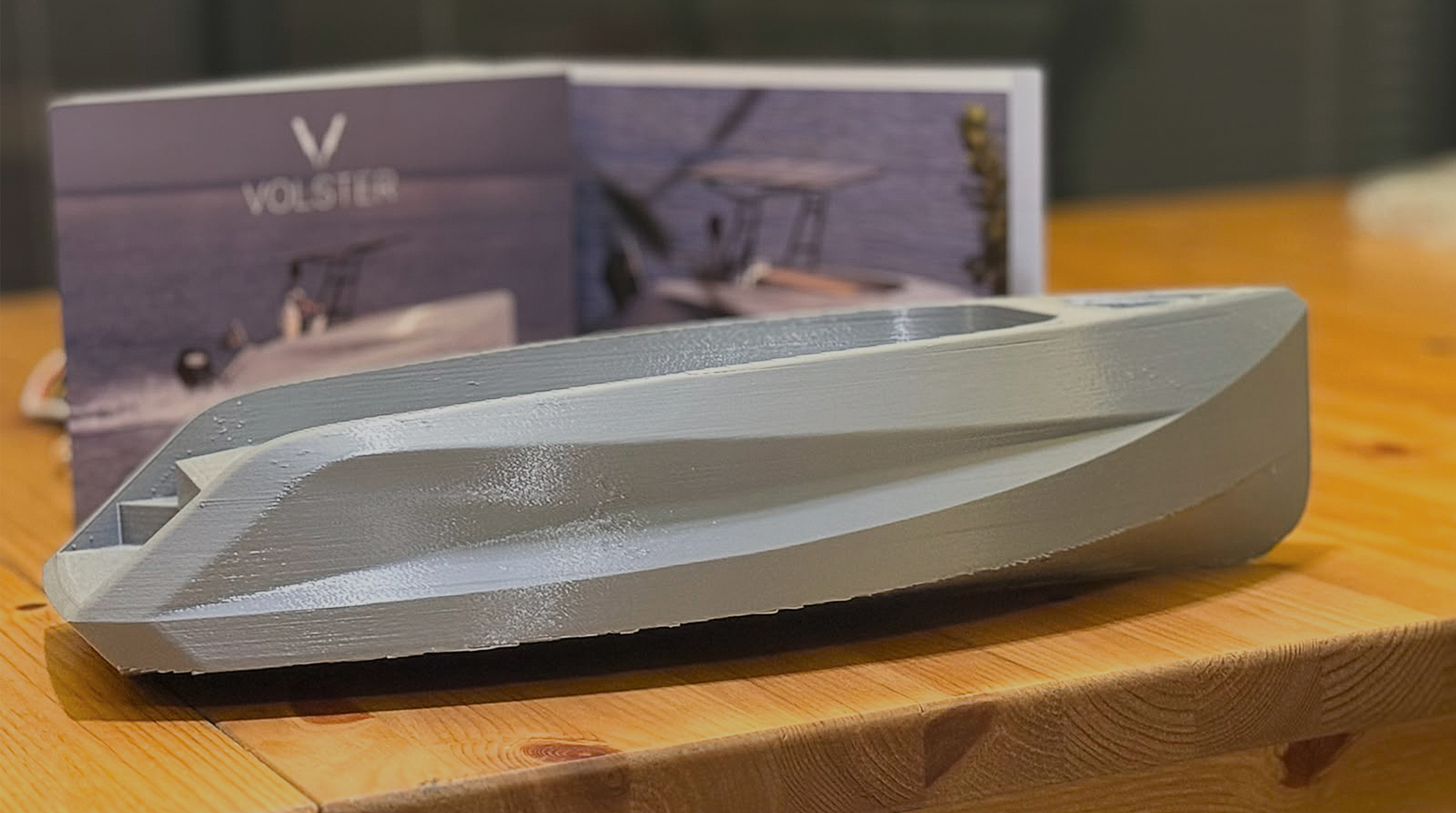
Prototype production is used not only to obtain the first physical sample of a part, but also to test the manufacturing method. Geometry, mold behavior, lamination execution, part removal, and required finishing steps are evaluated during the initial builds. The results obtained are then used to develop subsequent iterations and the repeat production process.

Plan a Meeting

Prototyping & Serial Production

Production scale-up planning

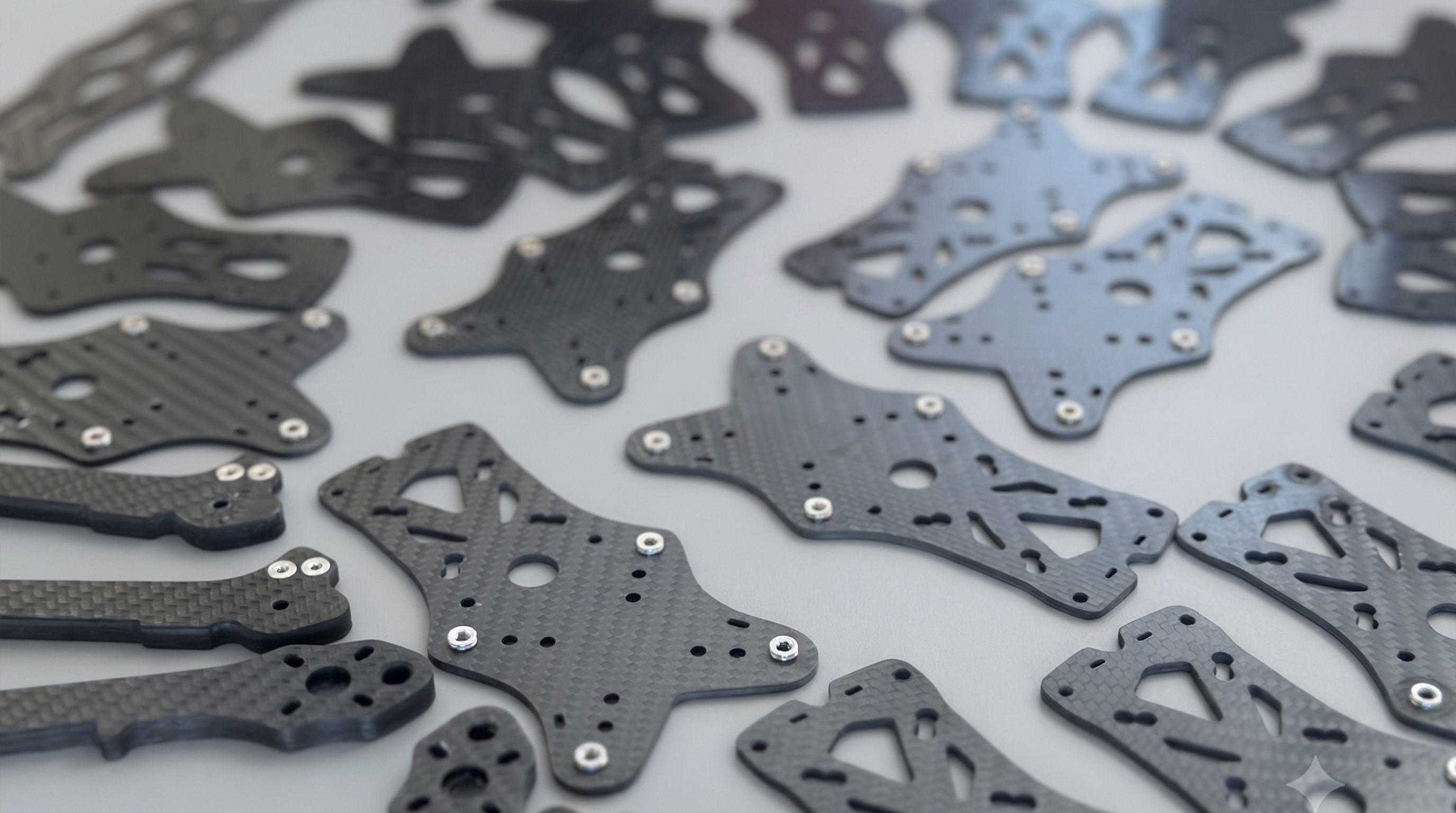
Being able to produce a few units of a part and being able to produce it reliably in series are two different sets of process requirements. As production volume increases, cycle time, tooling capacity, operation sequence, quality control points, and material flow all become more critical. Tulkas uses the production knowledge gained during the prototype stage to scale the process up in a controlled way.

Plan a Meeting

Overview

Prototype speed matters, but repeatability matters more. Tulkas treats the transition to serial production as a separate engineering problem that needs process control, tooling logic, and inspection planning. Validation is grounded in physical testing — static thrust testing, three-point and two-point bend testing, fatigue testing, and tensile and compression testing — applied where the part and program call for it, plus post-cure where the material system requires it.

Startups & R&D Projects

Low-volume prototype execution

Revision-cycle management

Defense Industry
Highlights

Highlights

Low-volume prototype execution Revision-cycle management

Approach

Approach

Prototype speed matters, but repeatability matters more. Tulkas treats the transition to serial production as a separate engineering problem that needs process control, tooling logic, and inspection planning. Validation is grounded in physical testing — static thrust testing, three-point and two-point bend testing, fatigue testing, and tensile and compression testing — applied where the part and program call for it, plus post-cure where the material system requires it.

Questions?

Here are some answers.

View all questions

Static thrust testing, three-point and two-point bend testing, fatigue testing, and tensile and compression testing. We do not claim ultrasonic scanning, CMM, or third-party accredited test capability unless a specific project brings that requirement in through a qualified partner.

Not as a fixed number — capacity depends on the part, tooling, and method involved. This is scoped per project rather than published as a general figure.

Process control, tooling logic, and inspection planning are formalized — tolerances, work instructions, and revision control are locked in rather than handled ad hoc, as they can be at prototype stage.