Overview

Composite protective canisters

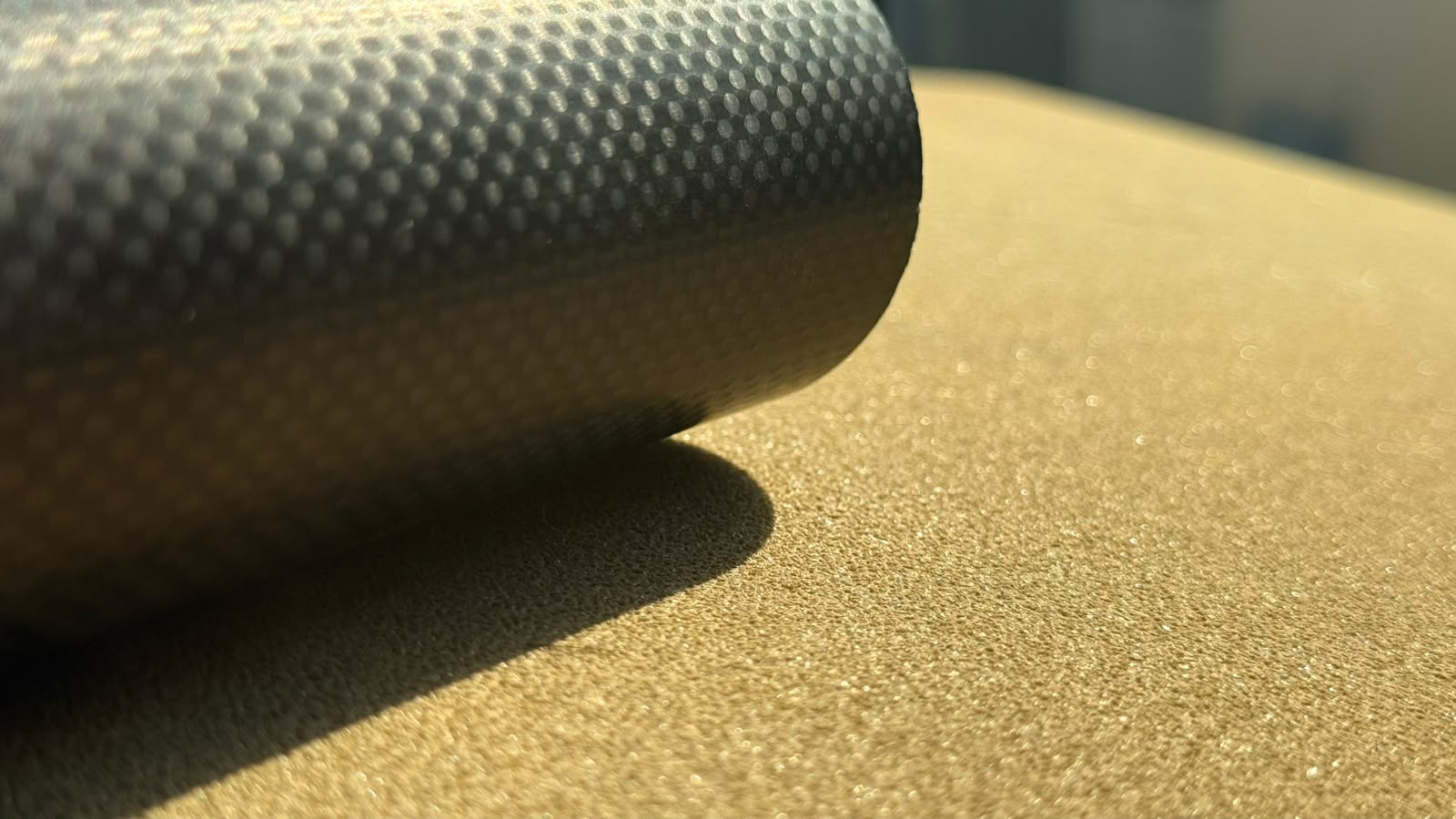
In canister and enclosure structures, mass, impact strength, stiffness, interface geometry, and production repeatability are critical. With the right design and production approach, composites can offer significant weight advantages and geometric flexibility over metal alternatives.

Request a Technical Review
Composite Canister Structures

Weight advantage: lightweight structures for transport and integration workflows.

Tulkas supports customers with geometry review, material approach, tooling strategy, prototype production, and preparation for repeat manufacturing. In sensitive regulated fields, work is limited to project requirements and controlled information sharing.

Composite Manufacturing

Composite Canister Structures

Tooling & Mold Manufacturing

Repeat manufacturing requires the right tooling.

Defense Industry

Scope

In canister and enclosure structures, mass, impact strength, stiffness, interface geometry, and production repeatability are critical. With the right design and production approach, composites can offer significant weight advantages and geometric flexibility over metal alternatives.

Composite Manufacturing

Weight advantage: lightweight structures for transport and integration workflows.

Tulkas supports customers with geometry review, material approach, tooling strategy, prototype production, and preparation for repeat manufacturing. In sensitive regulated fields, work is limited to project requirements and controlled information sharing.

Tooling & Mold Manufacturing
Scope

Scope

Composite protective canisters Cylindrical or custom-section enclosure structures Lightweight composite structures for transport and storage

Approach

Approach

In canister and enclosure structures, mass, impact strength, stiffness, interface geometry, and production repeatability are critical. With the right design and production approach, composites can offer significant weight advantages and geometric flexibility over metal alternatives.

Questions?

Here are some answers.

View all questions

No. Under very high thermal loads, or where emergency field repair is required, a metal canister design can still be preferred. The right choice is determined together, based on operating conditions.

Yes. Cylindrical, conical, and custom-section forms are evaluated based on the structural and interface requirements of the specific canister.

Yes. Prototype canisters can be produced to validate geometry and fit before a repeat-manufacturing tooling investment is made.