Overview

Long-duration water exposure demands moisture and corrosion resistance most metal marine parts don't need to plan around.

We support composite component work for electric boats, hydrofoil vessels, autonomous surface vehicles, and subsea equipment, where corrosion resistance, lightweight efficiency, and repeatable shape quality all matter.

Contact Us
Marine & Subsea

A composite structure approach built for the marine environment

Material selection for marine applications cannot be based on static strength alone. Constant moisture, salt water, fluctuating temperatures, connecting hardware, and long-term operating conditions all influence many decisions - from lamination structure to resin system and surface protection.

Marine & Subsea

Lightweight structures for electric and autonomous marine platforms

In electric and autonomous marine vehicles, weight has a direct effect on range, energy consumption, payload, and platform dynamics. We treat composite components not simply as lightweight alternatives to metal parts, but as structural solutions where form, stiffness, and environmental durability can be optimized together.

Overview

We support composite component work for electric boats, hydrofoil vessels, autonomous surface vehicles, and subsea equipment, where corrosion resistance, lightweight efficiency, and repeatable shape quality all matter.

Marine & Subsea Components

Long-duration water exposure demands moisture and corrosion resistance most metal marine parts don't need to plan around.

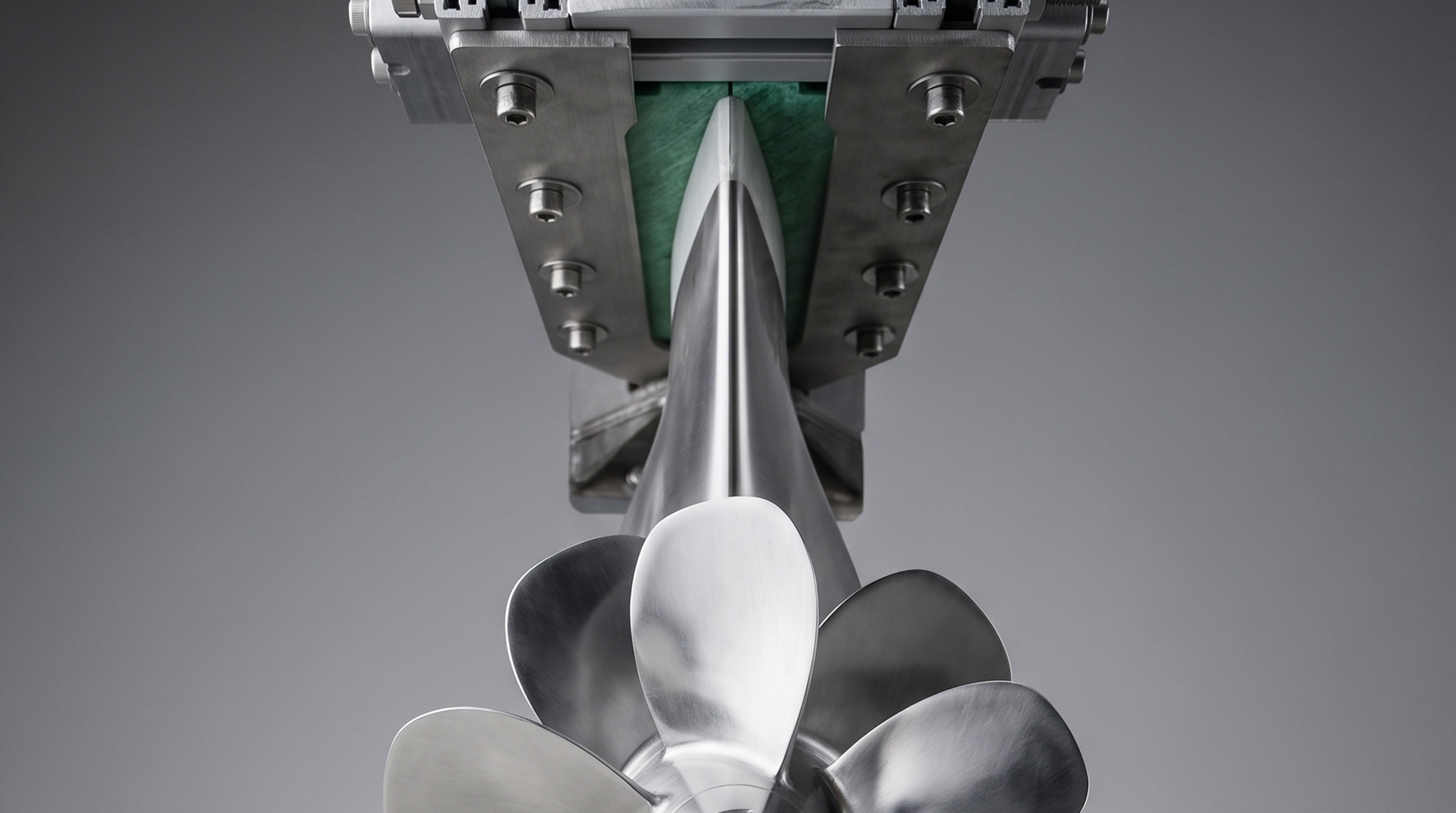
Tulkas's scope here is the composite component and its production: foil and strut parts, panels, hatches, and subsea housings. Boat-level design, hydrodynamic analysis, hydrofoil system architecture, active control, and propulsion/energy integration sit with Navarc, Tulkas's group company.

Composite Manufacturing
Highlights

Highlights

Long-duration water exposure demands moisture and corrosion resistance most metal marine parts don't need to plan around On foil and wing-like surfaces, small profile or surface-quality deviations measurably change drag and lift

Approach

Approach

We support composite component work for electric boats, hydrofoil vessels, autonomous surface vehicles, and subsea equipment, where corrosion resistance, lightweight efficiency, and repeatable shape quality all matter.

Tulkas's role in the marine sector is composite foil, strut, and structural component design and production engineering. Boat design, hydrodynamic analysis, hydrofoil system architecture, active control, and propulsion/energy integration are handled by Navarc, Tulkas's group company — Tulkas does not present itself as a boat or hydrofoil-system provider.

Visit Navarc

Questions?

Here are some answers.

View all questions

No. Tulkas designs and manufactures the composite foil, strut, and structural components; boat-level design and hydrofoil system architecture are handled by Navarc, Tulkas's group company, at navarc.com.tr.

Moisture and impact resistance, and fatigue behavior, are treated as evaluation criteria from the start rather than checked only at the end of the design.