Overview

Hot-press molding

Composite manufacturing at Tulkas is planned around process discipline, not only output volume. The method is selected based on geometry, tolerances, surface expectations, structural targets, and project cadence — from among the processes we actively run: hot-press molding, vacuum infusion, vacuum bagging, hand layup, SMC, BMC, post-cure, and vacuum-cast polyurethane. Not every method fits every part, and the fit is decided before tooling starts.

Plan a Meeting
Composite Manufacturing

Material and lamination matched to process

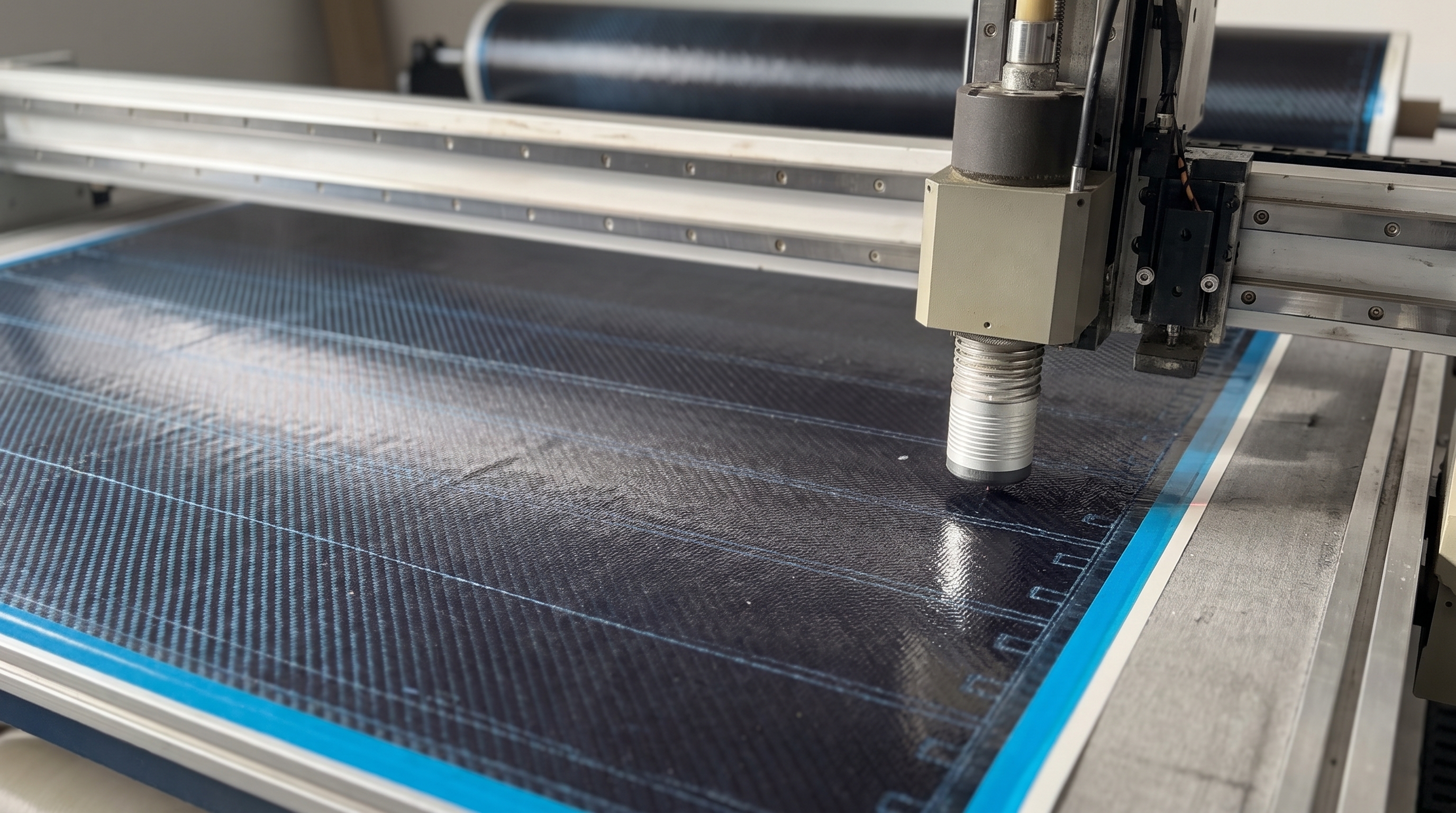
In composite manufacturing, the outcome is not determined by the fiber or resin alone. The material system, lamination sequence, tooling structure, and pressure and temperature conditions must be evaluated together. At Tulkas, the production approach is built around the part's structural requirements, geometry, and selected process, and its feasibility is assessed before production begins.

Plan a Meeting

Composite Manufacturing

Repeatable production processes

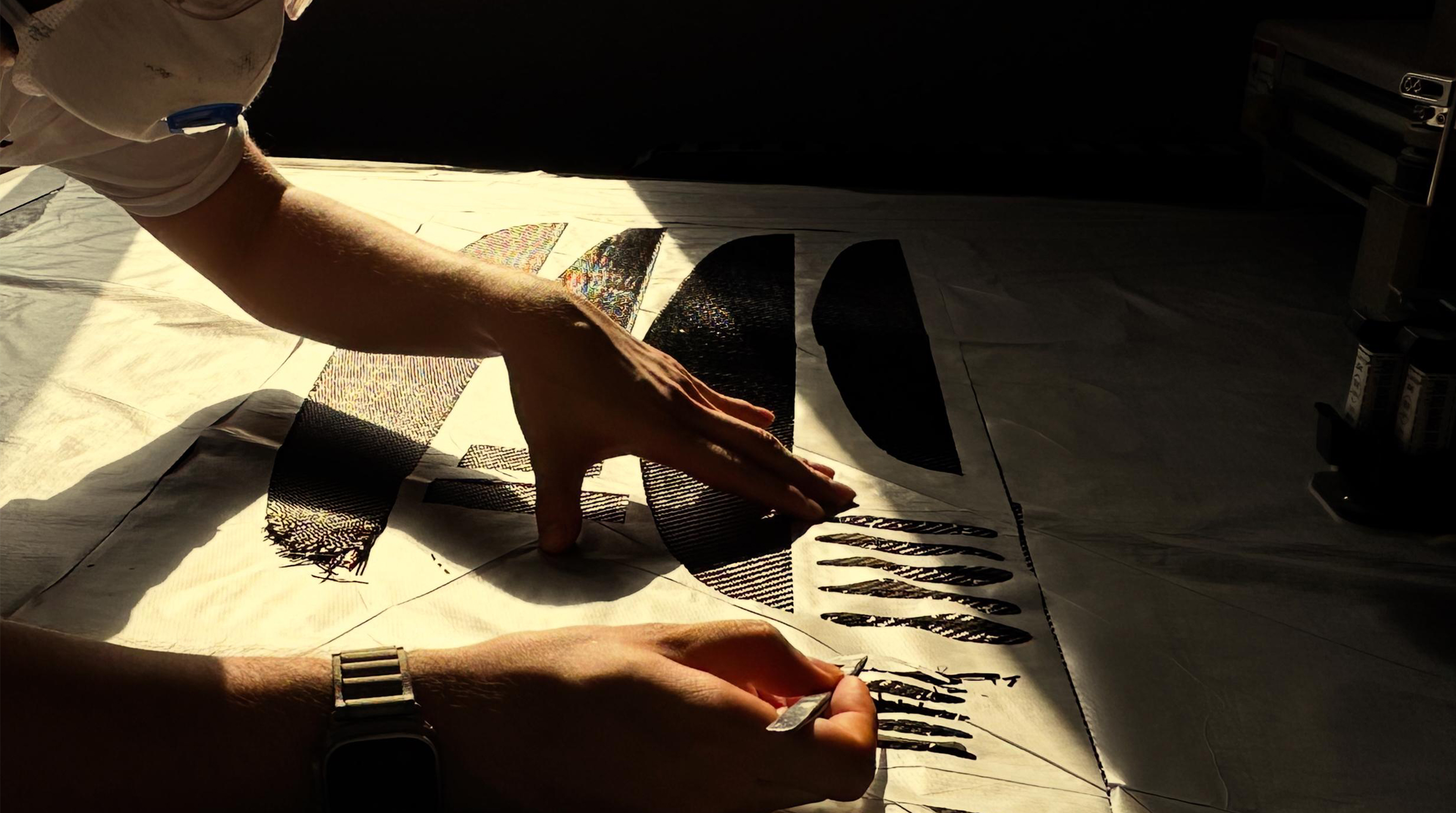
Producing one good first part is not enough; the same result must be achievable in a controlled way in every subsequent run. The production process is therefore handled as a defined flow, from tooling preparation to lamination, and from curing to part removal and finishing. The goal is a process that reduces operator-dependent variability and supports repeatable production.

Plan a Meeting

Overview

Composite manufacturing at Tulkas is planned around process discipline, not only output volume. The method is selected based on geometry, tolerances, surface expectations, structural targets, and project cadence — from among the processes we actively run: hot-press molding, vacuum infusion, vacuum bagging, hand layup, SMC, BMC, post-cure, and vacuum-cast polyurethane. Not every method fits every part, and the fit is decided before tooling starts.

UAV Airframe Components

Hot-press molding

Vacuum infusion

Rocket Canister
Highlights

Highlights

Hot-press molding Vacuum infusion

Approach

Approach

Composite manufacturing at Tulkas is planned around process discipline, not only output volume. The method is selected based on geometry, tolerances, surface expectations, structural targets, and project cadence — from among the processes we actively run: hot-press molding, vacuum infusion, vacuum bagging, hand layup, SMC, BMC, post-cure, and vacuum-cast polyurethane. Not every method fits every part, and the fit is decided before tooling starts.

Questions?

Here are some answers.

View all questions

Not currently. Our active production methods are hot-press molding, vacuum infusion, vacuum bagging, hand layup, SMC, BMC, post-cure, and vacuum-cast polyurethane. If a project genuinely requires autoclave or RTM, that is scoped and disclosed openly rather than implied.

Geometry, tolerance expectations, surface requirements, structural targets, and production volume are reviewed together before a method is locked in. The same part can be produced differently at prototype stage versus serial production.

No. Hot-press molding, vacuum infusion, vacuum bagging, hand layup, SMC, BMC, post-cure, and vacuum-cast polyurethane each fit different geometries and volumes; the method is matched to the part, not applied as a default.